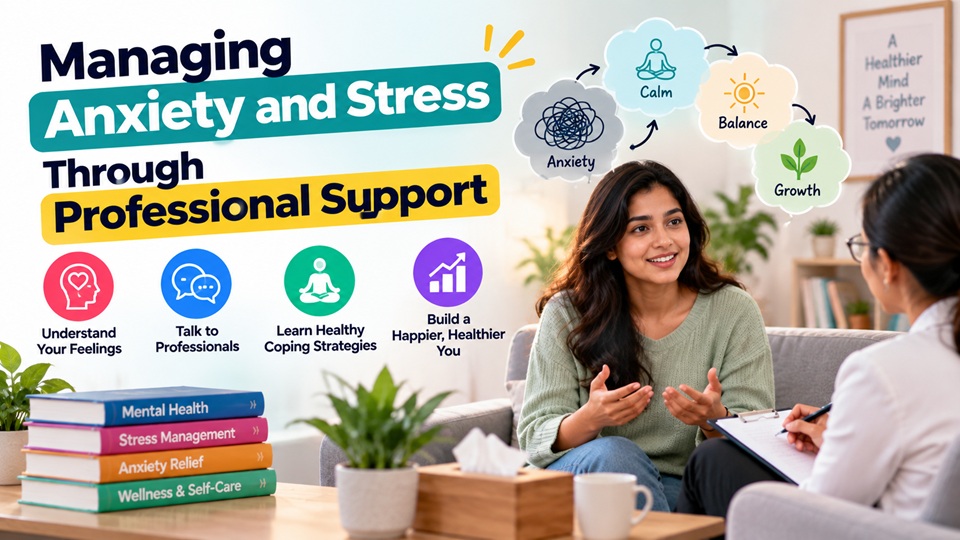
Anxiety and stress are common experiences in modern life. Financial responsibilities, workplace demands, relationship difficulties and uncertainty about the future can sometimes create significant emotional pressure.
Although occasional stress is normal, persistent anxiety may begin affecting sleep, concentration, confidence and everyday relationships.
For individuals considering counselling in Liverpool, professional talking therapy can provide an opportunity to understand these experiences and explore healthier ways of managing emotional difficulties.
Recognising the Signs of Anxiety and Stress
Stress often develops in response to identifiable pressures, such as demanding workloads or personal responsibilities.
Anxiety may involve ongoing worry or apprehension, sometimes continuing even when there is no immediate threat.
Both experiences can affect physical and emotional wellbeing.
Common signs include:
- Persistent worry or overthinking
- Difficulty relaxing
- Muscle tension and headaches
- Changes in sleeping patterns
- Irritability or restlessness
- Difficulty concentrating
- Avoiding challenging situations
- Feeling overwhelmed by responsibilities
Symptoms vary between individuals, and persistent physical or emotional difficulties may require assessment by a healthcare professional.
Understanding What Contributes to Anxiety
Anxiety can develop through a combination of personal experiences, circumstances and patterns of thinking.
Some individuals experience anxiety following difficult events, while others struggle with uncertainty or place excessive expectations on themselves.
Workplace pressures, financial concerns and relationship difficulties may also contribute.
Understanding these influences can be an important part of developing healthier responses.
How Counselling Can Help
Counselling provides a confidential environment where individuals can discuss difficult emotions without judgement.
A counsellor may help identify patterns of thinking or behaviour that contribute to anxiety.
For example, someone who regularly anticipates negative outcomes may begin avoiding situations that feel uncertain.
Although avoidance can provide temporary relief, it may sometimes reinforce anxious feelings.
Certain therapeutic approaches, including cognitive behavioural therapy, focus on understanding these patterns and developing alternative responses.
Other counselling approaches may explore emotional experiences, personal relationships and underlying concerns.
The most suitable approach depends on individual circumstances.
Developing Healthier Coping Strategies
Counselling may help individuals recognise early signs of stress and understand how their emotional responses influence behaviour.
This can involve exploring personal boundaries, identifying sources of pressure and developing more balanced expectations.
Some individuals benefit from improving communication skills, while others may need support with perfectionism or excessive self-criticism.
Building emotional resilience is usually a gradual process that requires consistent effort.
Choosing Face-to-Face or Online Counselling
Face-to-face counselling provides a dedicated professional environment away from everyday distractions.
Some people find direct personal interaction particularly helpful when discussing sensitive concerns.
Online appointments can offer flexibility for individuals with busy schedules or difficulties travelling.
Both approaches can provide meaningful support.
Finding Counselling Support in Liverpool
If anxiety or stress is affecting your everyday life, seeking professional guidance may be a positive step.
Individuals exploring Counselling Liverpool services can find further information about professional counselling through My Solution Wellbeing.
Choosing a suitably qualified counsellor with relevant experience is important.
Counselling cannot eliminate every source of stress, but it may help individuals develop greater self-awareness and more effective coping strategies.
With appropriate support, people can begin approaching challenging situations with increased confidence and a healthier understanding of their emotional needs.