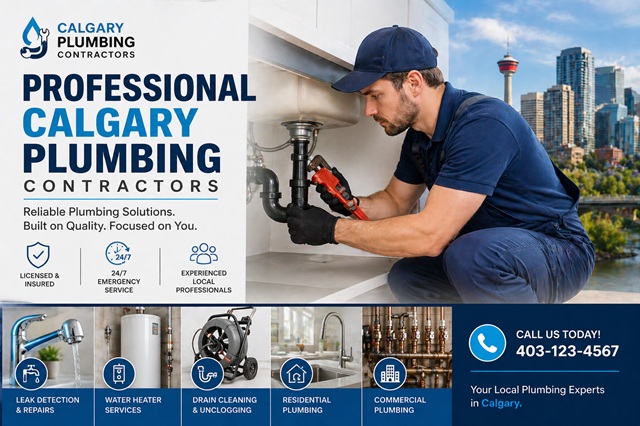
Plumbing systems are the backbone of any residential or commercial property, ensuring the smooth flow of water, proper drainage, and overall hygiene. Whether it's a minor leak or a major installation, hiring experienced professionals is essential for long-term reliability and efficiency.
If you're looking for dependable and skilled Calgary plumbing contractors, choosing a team that combines technical expertise with customer-focused service can make all the difference in maintaining your property's plumbing system.
Calgary homeowners and business owners face a particular set of plumbing challenges. Long, cold winters put pipes under stress, hard water can affect fixtures and appliances, and older neighbourhoods may still rely on aging plumbing materials. At the same time, new developments bring modern systems that need correct installation and regular care. This guide explains what professional plumbing contractors do, how to recognise common problems early, what to look for when hiring, and how to protect your property year-round.
Understanding the Importance of Professional Plumbing Services
Plumbing is more than just fixing leaks or unclogging drains. It involves a complex network of pipes, fixtures, valves, and systems that require specialized knowledge and tools. Professional plumbing contractors ensure that every component of your system functions efficiently while complying with local building codes and safety standards.
From installation to maintenance and emergency repairs, expert plumbers provide comprehensive solutions tailored to the specific needs of homeowners and businesses alike.
Doing plumbing work without the right training can be risky. Incorrect connections, poorly sealed joints, and improper venting can cause hidden leaks, water damage, mould, unpleasant odours, or even health hazards. Gas lines and water heaters in particular require careful, qualified handling. Professional contractors also understand permits and inspections, which protect you when you sell your property or make an insurance claim.
Comprehensive Plumbing Services Offered
1. Residential Plumbing Services
Homeowners rely heavily on efficient plumbing systems for daily activities. Professional contractors offer a wide range of residential services, including:
- Leak detection and repair
- Pipe installation and replacement
- Drain cleaning and unclogging
- Water heater installation and repair
- Bathroom and kitchen plumbing upgrades
- Sump pump installation and maintenance
These services ensure that your home's plumbing remains functional, safe, and efficient throughout the year.
Renovation projects often involve plumbing as well. Moving a kitchen sink, adding a bathroom in a basement, or installing a new shower requires careful planning of supply lines, drainage slopes, and venting. Involving a plumber early in the design stage avoids expensive changes later and helps you choose fixtures that suit your water pressure and layout.
2. Commercial Plumbing Solutions
Commercial properties require more robust and scalable plumbing systems due to higher usage and complex infrastructure. Professional contractors specialize in:
- Large-scale plumbing system installations
- Routine maintenance for commercial facilities
- Backflow prevention and testing
- Grease trap installation and cleaning
- Industrial-grade pipe repairs
Efficient commercial plumbing ensures uninterrupted operations and compliance with health and safety regulations.
For restaurants, offices, clinics, and retail spaces, a plumbing failure can mean lost revenue and unhappy customers. Scheduled inspections and preventive servicing reduce the chance of sudden shutdowns. Many businesses also keep a relationship with a trusted contractor so that urgent repairs are handled quickly and with knowledge of the building’s layout.
3. Emergency Plumbing Services
Plumbing emergencies can occur at any time, causing significant damage if not addressed immediately. Reliable contractors offer 24/7 emergency services for:
- Burst pipes
- Severe leaks
- Overflowing toilets
- Blocked sewer lines
- Water heater failures
Quick response times and effective solutions help minimize damage and restore normalcy.
What to Do While You Wait for a Plumber
- Locate and close the main water shut-off valve to stop the flow.
- Turn off the water heater if there is a major leak, to protect the unit.
- Switch off electricity in affected areas if water is near outlets or appliances, and only if it is safe to reach the panel.
- Open taps on the lowest level to drain remaining water from the system when appropriate.
- Move belongings away from the water and take photos for insurance purposes.
- Contact your plumber and describe the situation clearly, including the location of the shut-off valve.
Common Plumbing Issues and Their Solutions
Leaky Faucets and Pipes
Even a small leak can waste significant amounts of water and increase utility bills. Professional plumbers use advanced tools to identify and fix leaks efficiently.
Hidden leaks inside walls or under floors are particularly costly because they can go unnoticed for weeks. Warning signs include unexplained increases in water bills, damp patches, peeling paint, musty smells, and the sound of running water when everything is turned off.
Clogged Drains
Accumulation of debris, grease, and other materials can block drains. Expert cleaning techniques ensure complete removal of obstructions.
Chemical drain cleaners can damage older pipes and are not a long-term solution. Mechanical cleaning, such as snaking or hydro-jetting, removes the blockage itself instead of only thinning it.
Low Water Pressure
Low pressure may indicate hidden leaks or pipe blockages. Contractors diagnose the root cause and restore optimal flow.
Mineral build-up in aerators and showerheads, a partially closed valve, a failing pressure regulator, or corroded pipes can all reduce pressure. A professional inspection identifies which cause applies instead of guessing.
Running Toilets
This common issue can lead to water wastage. Professional repair ensures proper functioning and water conservation.
Frozen Pipes in Cold Weather
In a climate with harsh winters, frozen pipes are a real risk. Water expands as it freezes and can crack a pipe, leading to flooding when it thaws. Protect vulnerable pipes in unheated spaces with insulation, keep a trickle of water running during extreme cold if advised, and let warm air reach cabinets that contain plumbing on exterior walls. If a pipe freezes, shut off the water and call a professional rather than using open flames or high heat.
Water Heaters: Repair or Replace?
Hot water is one of the most-used services in any building, and the water heater is one of the most common reasons for a plumbing call. Warning signs include water that never gets hot enough, rumbling or popping noises from the tank, rusty-looking hot water, puddles around the base, and a unit that has reached the end of its expected lifespan. A plumber can inspect the anode rod, heating elements, valves, and tank condition to determine whether a repair makes sense.
As a general guide, a small, inexpensive repair on a relatively young unit is worth doing. If the tank is leaking, the unit is old, or repairs are becoming frequent, replacement is usually the better investment. When replacing, consider the choice between a conventional tank and a tankless model. Tankless units heat water on demand and can save space and energy, while conventional tanks usually have a lower upfront cost. The right option depends on household size, hot water habits, and available fuel connections.
Sewer Lines and Main Drains
Problems in the main drain or sewer line affect the whole building. Signs include several fixtures draining slowly at once, gurgling sounds in pipes, sewage odours, and water backing up in the lowest drains. Tree roots, collapsed or aged pipes, grease build-up, and items that should never be flushed are common causes.
A professional will often use a drain camera to see inside the line, then recommend the most suitable fix, whether that is cleaning, spot repair, or replacement. Trenchless methods can solve some problems without digging up the yard or driveway. Regular cleaning of main lines, particularly in older properties or commercial kitchens, helps prevent costly emergencies.
What Affects the Cost of Plumbing Work?
Plumbing prices vary because no two jobs are identical. The main factors include:
- Complexity. Accessing a pipe behind a finished wall takes more time than replacing an exposed fixture.
- Materials. Fixture quality, pipe type, and equipment brands influence the total.
- Urgency. After-hours and emergency calls often cost more than scheduled visits.
- Building age. Older systems may need additional work to meet current standards.
- Permits and inspections. Some projects require approvals, which add time and fees.
- Access and site conditions. Tight crawl spaces, frozen ground, and similar conditions can extend the work.
Ask for a written estimate that explains these items, and discuss options. Sometimes a slightly higher investment in durable materials saves money by avoiding repeated repairs.
Benefits of Hiring Professional Plumbing Contractors
- Expertise and Experience: Skilled professionals handle complex plumbing issues with precision.
- Advanced Equipment: Use of modern tools ensures efficient and accurate repairs.
- Time and Cost Efficiency: Proper solutions prevent recurring issues and costly repairs.
- Compliance with Standards: Ensures adherence to local regulations and safety codes.
- Long-Term Reliability: High-quality workmanship guarantees durability.
Modern Plumbing Technologies and Innovations
The plumbing industry has evolved significantly with the introduction of modern technologies. Contractors now use advanced tools and systems to enhance efficiency and accuracy.
Smart Plumbing Systems
Smart devices monitor water usage, detect leaks, and provide real-time alerts, helping homeowners manage their plumbing systems effectively.
Trenchless Pipe Repair
This innovative method allows pipe repairs without extensive digging, reducing disruption and costs.
Video Inspection Technology
Plumbers use cameras to inspect pipes and identify issues accurately, ensuring precise solutions.
Preventive Maintenance Tips
Regular maintenance is key to avoiding major plumbing issues. Here are some practical tips:
- Inspect pipes and fixtures regularly
- Avoid disposing grease and solids in drains
- Install drain strainers
- Schedule routine professional inspections
- Monitor water pressure levels
Preventive care helps extend the lifespan of your plumbing system and reduces unexpected repairs.
A Seasonal Plumbing Checklist
- Autumn: Disconnect and drain outdoor hoses, shut off exterior taps if possible, check insulation on exposed pipes, and have your water heater inspected.
- Winter: Keep indoor temperatures steady, watch for slow drains or low pressure, and know where your main shut-off valve is.
- Spring: Check for leaks that may have developed during the cold months, test your sump pump, and look for signs of moisture in the basement.
- Summer: Inspect outdoor faucets and irrigation connections, clean aerators, and flush the water heater according to the manufacturer’s advice.
Choosing the Right Plumbing Contractor
Selecting the right contractor is crucial for ensuring quality service. Consider the following factors:
- Licensing and certification
- Experience and expertise
- Customer reviews and reputation
- Transparent pricing
- Availability of emergency services
A reliable contractor will provide clear communication, detailed estimates, and high-quality workmanship.
Questions to Ask Before You Hire
- Are you licensed and insured for the work required in this area?
- Can you provide a written estimate that lists labour, parts, and any additional charges?
- Do you offer a warranty on workmanship and parts?
- How quickly can you respond to an emergency?
- Will you obtain the necessary permits and arrange inspections?
- Can you share references or recent examples of similar projects?
Be cautious of quotes that are far lower than others, of contractors who demand large payments before starting, or of anyone who cannot show proof of licensing. A fair price is a combination of skilled labour, quality materials, and accountability.
Eco-Friendly Plumbing Solutions
Sustainability is becoming increasingly important in modern plumbing practices. Contractors offer eco-friendly solutions such as:
- Water-efficient fixtures
- Tankless water heaters
- Greywater recycling systems
- Low-flow toilets and faucets
These solutions help conserve water and reduce environmental impact while lowering utility costs.
Importance of Timely Repairs
Delaying plumbing repairs can lead to severe damage, increased costs, and potential health risks. Addressing issues promptly ensures the safety and efficiency of your plumbing system.
A dripping pipe today can become a rotted cabinet, a stained ceiling, or a mould problem next season. Moisture that lingers in walls encourages mould growth, which can affect indoor air quality. Acting early almost always costs less than waiting for a failure, and it avoids disruption at inconvenient times.
Future Trends in Plumbing Industry
The future of plumbing is driven by innovation and sustainability. Emerging trends include:
- Integration of IoT in plumbing systems
- Advanced leak detection technologies
- Energy-efficient water heating solutions
- Automation in maintenance and monitoring
These advancements aim to improve efficiency, reduce waste, and enhance user convenience.
Conclusion
Professional plumbing services are essential for maintaining the functionality, safety, and efficiency of residential and commercial properties. From routine maintenance to emergency repairs, experienced contractors provide comprehensive solutions tailored to diverse needs.
By choosing skilled professionals and adopting preventive measures, property owners can ensure long-term reliability and optimal performance of their plumbing systems. Investing in quality plumbing services not only enhances comfort but also protects your property from costly damages.