A purchase order is a starting point, not a complete credit request. A lender needs to see how the purchase will be funded, how the goods will move and where repayment will come from. A clear transaction file makes those questions answerable before a shipment deadline adds pressure.
Map the movement of cash
Show the dates for supplier deposits, production, shipment, delivery, inspection and buyer payment. Include freight, insurance, duties and any financing charges. The funding amount should cover the actual cash gap, while the proposed maturity should reflect the collection cycle.
Make counterparties visible
Identify the supplier, seller, buyer, freight provider and any warehouse operator. Explain whether the borrower has traded with them before. Lenders may assess buyer credit, supplier performance and sanctions exposure separately, even when all parties appear on the same commercial contract.
Check the documentary chain
Compare purchase orders, sale contracts, invoices and transport terms for conflicting quantities, specifications and delivery dates. State when title and risk transfer. If payment depends on a documentary letter of credit, review whether the required documents can actually be produced on time.
Define repayment and security
Specify whether repayment comes from an identified buyer, a pool of receivables or sale of controlled inventory. Describe assignments, account controls and insurance where relevant. A lender cannot price security it cannot identify or enforce.
What the initial request should say
State the legal borrower, operating countries, requested amount, currency and use of proceeds in the opening page. Describe one representative transaction from purchase through final collection. If the company handles multiple products or buyers, separate the proposed eligible trade flows from the broader business. Include the expected gross margin and the amount of cash the company contributes. A lender should be able to tell whether the request concerns an LC, an inventory line, a receivables facility or a combination. Vague requests for a credit instrument without an underlying transaction usually generate questions rather than terms.
Build a source and use schedule
A financing amount should follow an itemized calculation. Supplier payments, freight, insurance, duties, storage and any inspection cost belong on the use side. Buyer payments, deposits and the borrower’s equity contribution belong on the source side. Show when each amount falls due, rather than adding every expense into one headline total. This schedule reveals whether the requested facility finances a temporary timing gap or an operating loss. It also helps identify a period when the borrower has paid the supplier but cannot yet draw against eligible inventory or receivables.
Explain the contracts as a chain
A purchase contract and a sale contract should describe compatible goods, quantities and delivery windows. If the borrower is an intermediary, explain when it takes title and whether the supplier may perform directly to the end buyer. Identify conditions precedent, termination rights and payment deductions. The lender will need to know which party is obliged to deliver, who bears loss in transit and who is responsible for inspection. A transaction diagram can help, but it should be backed by the relevant signed documents and a clear account of any terms still being negotiated.
Show historical execution
Past trade records can demonstrate that the borrower understands the product and counterparties. Provide representative invoices, shipping records and proof of collections, with sensitive information handled appropriately. Explain prior delays, rejected goods or buyer disputes rather than leaving a lender to discover them. Where the proposed transaction is larger than historical trades, describe the added operational capacity and working capital required. The lender may be comfortable with a growing company, but it needs evidence that staffing, suppliers and logistics can support the larger volume.
Identify the decisions still open
Not every commercial detail must be final before an initial conversation. Distinguish confirmed terms from assumptions and state when outstanding items will be resolved. A pending inspection arrangement, draft buyer contract or unconfirmed vessel booking can materially affect structure and timing. A document checklist with owners and dates prevents these gaps from becoming last-minute surprises. It also prevents a lender from interpreting a forecast or unsigned proposal as a binding commitment from a counterparty.
Prepare for credit questions
Expect questions about the buyer’s ability to pay, the borrower’s liquidity, collateral control and remedies if the trade does not proceed. Consider a late shipment, lower market price and buyer rejection separately. A single generic contingency paragraph rarely explains how each event affects repayment. Identify who can redirect goods, whether there is an alternative buyer and what costs a resale would incur. A realistic downside case demonstrates the degree of support the company needs if the base case breaks.
Keep the process controlled
Send the same transaction version to every prospective lender and log subsequent changes. Contradictory amounts and dates across different decks, spreadsheets and emails undermine the review. Name a person responsible for commercial documents and another for financial data, even if one individual ultimately fills both roles. As questions arrive, update a shared diligence list and provide dated responses. This discipline matters when several parties review the file on different schedules and helps avoid promising incompatible security to multiple funding sources.
Translate interest into terms
Indicative interest is not a committed facility. Compare any term sheet on advance rate, eligible collateral, recourse, fees, tenor, conditions and reporting duties. The cheapest nominal margin may be less useful if reserves sharply reduce availability or draw conditions cannot be satisfied before shipment. Confirm which documents must be delivered at closing and which can follow later. The goal is a facility that can fund the transaction on time and be repaid from the described trade flow, subject to the lender’s approval.
Use a transaction checklist at submission
Before circulation, confirm that company names and bank accounts are consistent across every document. Reconcile the requested facility amount to the cash schedule and the contract values. Confirm that the buyer payment date falls after the expected delivery and acceptance steps, and that the financing maturity leaves reasonable collection time. Attach the latest signed versions where available and label draft documents prominently. Record who checked supplier and buyer identities, who verified logistics and who owns the financial model. If a material commercial condition is unresolved, explain it and state the date on which it should be settled. This final review is not a cosmetic exercise. It can reveal that the security described in the memo attaches to goods owned by another party or that the lender would have to advance funds before any eligible asset exists. A clean file allows a reviewer to focus on the transaction’s credit merits and propose a structure tied to facts.
The practical test is whether the proposed facility still works when a shipment runs late, a document needs correction or a buyer pays after the expected date. Record those assumptions, assign responsibility for monitoring them and discuss the response with prospective financing parties before execution.
Put the file in order
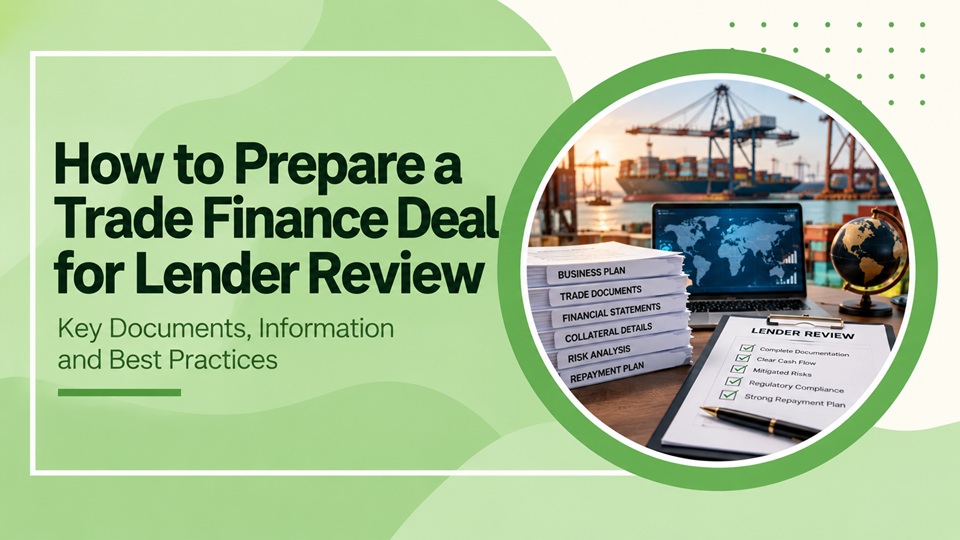
A concise transaction memo, a schedule of sources and uses, corporate financials and the signed commercial documents create a reviewable package. Professional trade finance deal packaging also helps distinguish missing information from risks that require a different structure. A well-organized submission makes diligence faster; it does not substitute for underwriting.