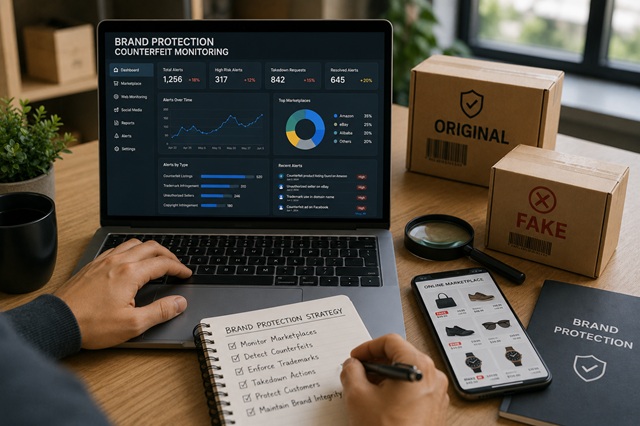
The global expansion of digital marketplaces, social media storefronts, and cross-border e-commerce networks has made brand protection a top priority for global manufacturers, luxury brands, and intellectual property (IP) law firms. Illicit networks frequently produce counterfeit merchandise, misuse protected trademarks, and establish unauthorized distribution channels online, damaging brand reputation and eroding genuine corporate revenue.
Investigating counterfeit networks requires IP specialists to monitor third-party marketplaces, review domain registries, and perform test purchases across international retail platforms. However, gathering actionable legal evidence requires conducting investigations without alerting counterfeit networks to ongoing enforcement actions.
How Counterfeit Networks Evade Detection
Professional counterfeit networks employ sophisticated anti-detection and cloaking techniques to protect their illicit operations. When brand protection agents or legal investigators visit counterfeit storefronts, target servers analyze visitor device telemetry. Counterfeit networks monitor Canvas rendering traits, WebGL metrics, system timezones, and incoming IP addresses to identify enforcement investigators.
If a counterfeit seller detects that a visitor is connecting from a brand protection agency or IP law firm, the portal alters its content. The website displays legitimate products or returns error pages to the investigator while continuing to sell counterfeit items to regular consumers. Furthermore, if an investigator inspects multiple suspect storefronts from a single browser setup, cross-site tracking scripts link those visits, prompting counterfeiters to take down non-compliant listings before formal legal action can be served.
Achieving Stealth Investigation with Isolated Profiles
Uncovering counterfeit operations requires brand protection teams to operate within completely isolated, untraceable browsing environments. Leveraging specialized tools engineered for browser anonymity allows legal investigators to build realistic buyer identities for each target network. Software solutions like NOID enable brand protection agents to create dedicated profiles equipped with unique hardware signatures, localized system timezones, and residential proxy connections matching regional target markets.
Because each investigation profile functions inside its own isolated container, counterfeit scripts view each visit as a routine consumer browsing from a residential connection. This isolation allows brand protection agents to capture uncloaked evidence, document trademark infringements, and execute stealth test purchases successfully.
Streamlining IP Protection Workflows
Implementing isolated multi-profile browser environments offers clear operational benefits for brand protection agencies and legal teams:
- Isolated Case Evidence: Maintain dedicated browser profiles for individual legal cases, keeping session logs, screenshot evidence, and cookies organized and segregated.
- Geographic Proxy Alignment: Route investigation profiles through specific regional residential proxies to inspect localized counterfeit distribution networks.
- Secure Profile Transfer: Safely export encrypted investigation profiles between internal legal teams and external law enforcement agencies without exposing sensitive session credentials.
By replacing standard browsing setups with isolated, fingerprint-spoofed investigation profiles, brand protection specialists can uncover counterfeit networks, enforce intellectual property rights, and safeguard corporate brand value worldwide.