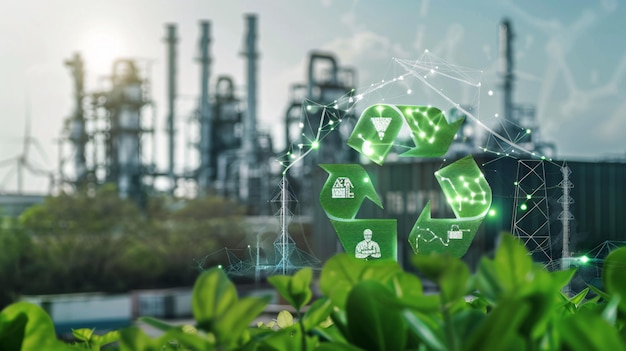
 Clean technology is reshaping how industries operate, innovate and prepare for long-term sustainability. As organisations commit to lowering emissions and improving efficiency, a new wave of specialist roles is emerging to support this transition. These positions blend engineering, data analysis, environmental science and strategic planning, giving businesses the capability to modernise operations while meeting rising expectations from regulators, investors and communities.
The Growing Importance of Clean Tech Expertise
Industries such as manufacturing, energy, chemicals and heavy engineering are under increasing pressure to reduce their environmental impact. Cleaner operations are no longer simply about compliance but are essential for long-term resilience. Clean tech roles bring specialised skills that help businesses move away from legacy systems and adopt solutions that are more efficient and environmentally conscious.
The Specialists Driving Carbon Capture Adoption
Carbon capture is one of the fastest-growing areas in industrial decarbonisation. Professionals in this field assess feasibility, oversee system design and ensure the successful integration of capture technology into existing sites. Many organisations work with partners like Carbon Clean to introduce solutions that remove carbon dioxide from industrial processes. These specialists are crucial for sectors where emissions cannot be fully eliminated through alternative fuels or electrification.
The Engineers Rewriting the Rules of Energy Use
Energy efficiency engineers focus on reducing waste across complex industrial systems. They examine heating, cooling, mechanical operations and production lines to identify inefficiencies and recommend upgrades. Their work leads to significant resource savings and reduced emissions, supporting both environmental targets and cost management.
The Analysts Turning Environmental Data into Clear Direction
Modern sustainability efforts depend heavily on accurate data. Sustainability analysts collect and interpret information on emissions, waste, resource consumption and energy use. They help organisations understand their current footprint and track progress over time. Their insights shape regulatory reporting, investment choices and long-term environmental strategies.
The Project Leaders Making Clean Tech a Reality
Large-scale clean technology initiatives succeed when expertly managed. Clean tech project managers coordinate teams, manage budgets, guide installation processes and navigate regulatory requirements. Their role ensures that innovations such as heat recovery, on-site renewables or carbon capture systems move smoothly from the planning stage to everyday operation.
The Designers Building Circular Industrial Systems
Circular economy designers help industries rethink how materials flow through their operations. They work on ways to reuse by-products, minimise waste and design goods that last longer or can be repurposed. Their ideas support sustainability while improving resource security and reducing dependence on raw materials.
How These Roles Shape the Industries of Tomorrow
The rise of specialised clean tech roles demonstrates how deeply sustainability is becoming embedded in industrial planning. These experts help organisations meet regulatory expectations, reduce operational risks and unlock new market opportunities linked to clean technologies. As solutions continue to evolve and collaborations expand, the need for clean tech talent will only grow.
The future of industry is being shaped by professionals who combine technical insight with environmental understanding. Their work ensures that progress and sustainability move forward together, creating cleaner, more resilient systems for decades ahead.
Clean technology is reshaping how industries operate, innovate and prepare for long-term sustainability. As organisations commit to lowering emissions and improving efficiency, a new wave of specialist roles is emerging to support this transition. These positions blend engineering, data analysis, environmental science and strategic planning, giving businesses the capability to modernise operations while meeting rising expectations from regulators, investors and communities.
The Growing Importance of Clean Tech Expertise
Industries such as manufacturing, energy, chemicals and heavy engineering are under increasing pressure to reduce their environmental impact. Cleaner operations are no longer simply about compliance but are essential for long-term resilience. Clean tech roles bring specialised skills that help businesses move away from legacy systems and adopt solutions that are more efficient and environmentally conscious.
The Specialists Driving Carbon Capture Adoption
Carbon capture is one of the fastest-growing areas in industrial decarbonisation. Professionals in this field assess feasibility, oversee system design and ensure the successful integration of capture technology into existing sites. Many organisations work with partners like Carbon Clean to introduce solutions that remove carbon dioxide from industrial processes. These specialists are crucial for sectors where emissions cannot be fully eliminated through alternative fuels or electrification.
The Engineers Rewriting the Rules of Energy Use
Energy efficiency engineers focus on reducing waste across complex industrial systems. They examine heating, cooling, mechanical operations and production lines to identify inefficiencies and recommend upgrades. Their work leads to significant resource savings and reduced emissions, supporting both environmental targets and cost management.
The Analysts Turning Environmental Data into Clear Direction
Modern sustainability efforts depend heavily on accurate data. Sustainability analysts collect and interpret information on emissions, waste, resource consumption and energy use. They help organisations understand their current footprint and track progress over time. Their insights shape regulatory reporting, investment choices and long-term environmental strategies.
The Project Leaders Making Clean Tech a Reality
Large-scale clean technology initiatives succeed when expertly managed. Clean tech project managers coordinate teams, manage budgets, guide installation processes and navigate regulatory requirements. Their role ensures that innovations such as heat recovery, on-site renewables or carbon capture systems move smoothly from the planning stage to everyday operation.
The Designers Building Circular Industrial Systems
Circular economy designers help industries rethink how materials flow through their operations. They work on ways to reuse by-products, minimise waste and design goods that last longer or can be repurposed. Their ideas support sustainability while improving resource security and reducing dependence on raw materials.
How These Roles Shape the Industries of Tomorrow
The rise of specialised clean tech roles demonstrates how deeply sustainability is becoming embedded in industrial planning. These experts help organisations meet regulatory expectations, reduce operational risks and unlock new market opportunities linked to clean technologies. As solutions continue to evolve and collaborations expand, the need for clean tech talent will only grow.
The future of industry is being shaped by professionals who combine technical insight with environmental understanding. Their work ensures that progress and sustainability move forward together, creating cleaner, more resilient systems for decades ahead. 
Inside the Clean Tech Roles Transforming the Future of Industry
Clean technology is reshaping how industries operate, innovate and prepare for long-term sustainability. As organisations commit to lowering emissions and improving efficiency, a new wave of specialist roles is emerging to support this transition. These positions blend engineering, data analysis, environmental science and strategic planning, giving businesses the capability to modernise operations while meeting rising expectations from regulators, investors and communities.
The Growing Importance of Clean Tech Expertise
Industries such as manufacturing, energy, chemicals and heavy engineering are under increasing pressure to reduce their environmental impact. Cleaner operations are no longer simply about compliance but are essential for long-term resilience. Clean tech roles bring specialised skills that help businesses move away from legacy systems and adopt solutions that are more efficient and environmentally conscious.
The Specialists Driving Carbon Capture Adoption
Carbon capture is one of the fastest-growing areas in industrial decarbonisation. Professionals in this field assess feasibility, oversee system design and ensure the successful integration of capture technology into existing sites. Many organisations work with partners like Carbon Clean to introduce solutions that remove carbon dioxide from industrial processes. These specialists are crucial for sectors where emissions cannot be fully eliminated through alternative fuels or electrification.
The Engineers Rewriting the Rules of Energy Use
Energy efficiency engineers focus on reducing waste across complex industrial systems. They examine heating, cooling, mechanical operations and production lines to identify inefficiencies and recommend upgrades. Their work leads to significant resource savings and reduced emissions, supporting both environmental targets and cost management.
The Analysts Turning Environmental Data into Clear Direction
Modern sustainability efforts depend heavily on accurate data. Sustainability analysts collect and interpret information on emissions, waste, resource consumption and energy use. They help organisations understand their current footprint and track progress over time. Their insights shape regulatory reporting, investment choices and long-term environmental strategies.
The Project Leaders Making Clean Tech a Reality
Large-scale clean technology initiatives succeed when expertly managed. Clean tech project managers coordinate teams, manage budgets, guide installation processes and navigate regulatory requirements. Their role ensures that innovations such as heat recovery, on-site renewables or carbon capture systems move smoothly from the planning stage to everyday operation.
The Designers Building Circular Industrial Systems
Circular economy designers help industries rethink how materials flow through their operations. They work on ways to reuse by-products, minimise waste and design goods that last longer or can be repurposed. Their ideas support sustainability while improving resource security and reducing dependence on raw materials.
How These Roles Shape the Industries of Tomorrow
The rise of specialised clean tech roles demonstrates how deeply sustainability is becoming embedded in industrial planning. These experts help organisations meet regulatory expectations, reduce operational risks and unlock new market opportunities linked to clean technologies. As solutions continue to evolve and collaborations expand, the need for clean tech talent will only grow.
The future of industry is being shaped by professionals who combine technical insight with environmental understanding. Their work ensures that progress and sustainability move forward together, creating cleaner, more resilient systems for decades ahead.